
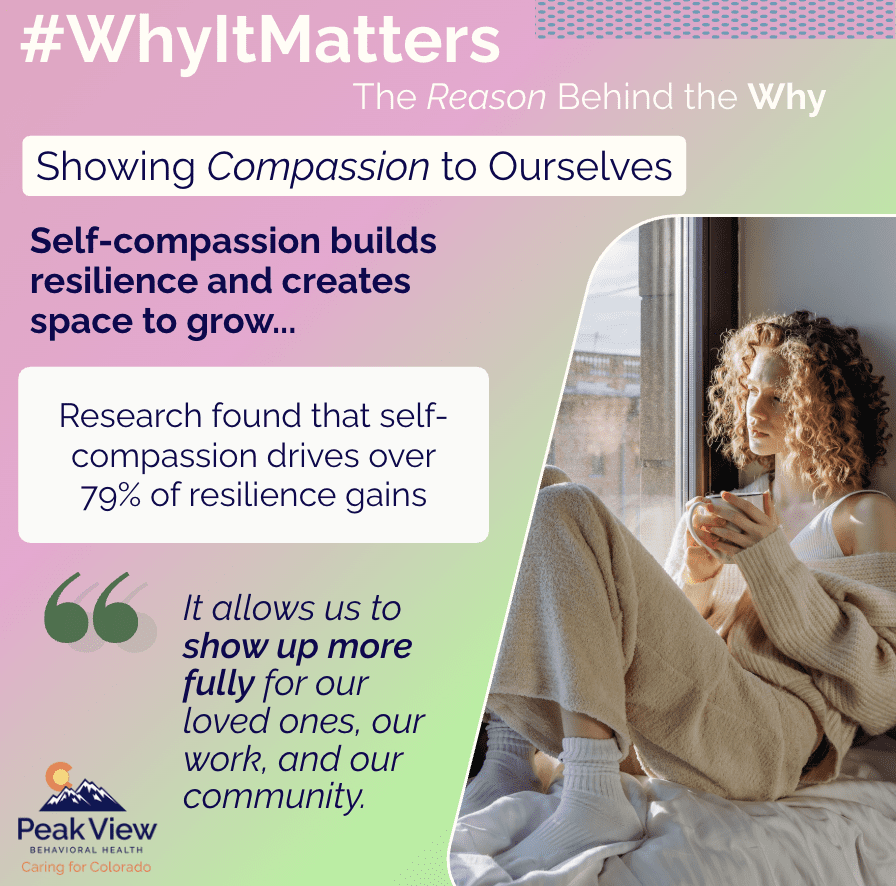
Why Self-Compassion Matters
The Way We Speak to Ourselves
How we speak to ourselves matters more than we realize.
Showing compassion to ourselves isn’t always easy, especially in moments of stress, setbacks, or self-doubt. But those are often the moments we need it most. When things feel uncertain or difficult, our first instinct is often to be critical rather than understanding.
It comes naturally to offer patience, support, and encouragement to others. We meet people where they are, recognize what they’re carrying, and give them room to move forward. Yet when it comes to ourselves, the response is often very different. More critical. More demanding. Less forgiving.
Over time, that internal dialogue begins to shape more than just our thoughts. It influences how we handle challenges, how quickly we recover from them, and how we see ourselves moving forward. It can either support our ability to navigate difficult moments or make those moments feel heavier than they already are.
The Impact Beneath the Surface
Self-compassion is not just a mindset. It has a real impact on how we navigate stress, uncertainty, and emotional strain.
Research continues to show that self-compassion plays a powerful role in strengthening resilience. In fact, one study found it accounted for over 79 percent of the positive gains in resilience among individuals facing depression, anxiety, and loneliness.
Even in more extreme circumstances, the impact holds. Practicing self-compassion has been linked to significant reductions in symptoms of depression and anxiety, reinforcing its role as a protective factor for mental health.
These findings point to something important. The way we respond to ourselves during difficult moments is not neutral. It either supports our ability to move forward or makes that process harder.
Breaking the Cycle
Without realizing it, many people fall into patterns of harsh self-talk during challenging moments. Without realizing it, many people fall into patterns of harsh self-talk during challenging moments. And at times, we can be relentless toward ourselves. I can remember a time in my own journey when I was far harder on myself than I needed to be.
We replay mistakes. We question ourselves. We hold onto things longer than we should.
But when we begin to respond to ourselves differently, something begins to change.
When we treat ourselves with the same level of understanding we give to others, we create space for something different. We create space to process, reset, and move forward without carrying unnecessary weight. That shift doesn’t mean ignoring accountability or lowering expectations. It means responding in a way that fosters growth rather than reinforcing discouragement.
There is no question that we deserve to treat ourselves with the same compassion we offer to others, choosing encouragement instead of discouragement in the moments that matter most.
What It Creates
When self-compassion becomes part of how we respond to ourselves, it begins to show up in other areas of life as well. It’s not always immediate, but over time, the way we treat ourselves starts to influence how we think, respond, and move through challenges.
It strengthens resilience.
It supports emotional stability.
And it allows us to navigate challenges with greater clarity and confidence, rather than feeling overwhelmed or stuck.
It also changes how we show up for others.
When we are not weighed down by constant self-criticism, we create more space within ourselves. More capacity. More presence. More patience. More ability to support the people around us in a meaningful way.
And in many ways, that’s where the impact becomes most visible—not just in how we care for ourselves, but in how we are able to show up for the people who rely on us every day.
This Is Why It Matters
Self-compassion isn’t just about how we feel in a moment. It shapes how we respond, how we recover, and how we continue to move forward.
Because in the moments that challenge us most, the way we speak to ourselves can either create more weight or provide the support needed to carry it.
And that matters.
It matters for how we show up in our daily lives.
It matters for the people we care about.
And it matters for our ability to navigate life with resilience, clarity, and purpose.
When we begin to treat ourselves with compassion, we don’t just change our internal experience, we expand our capacity to show up more fully in every part of our lives.
Because the way we support ourselves ultimately shapes how we support everything else around us.
For more info:
Self-Compassion: What It Is, Why It Matters, and How to Practice It (2026) | Simply Psychology